Chemical Contamination
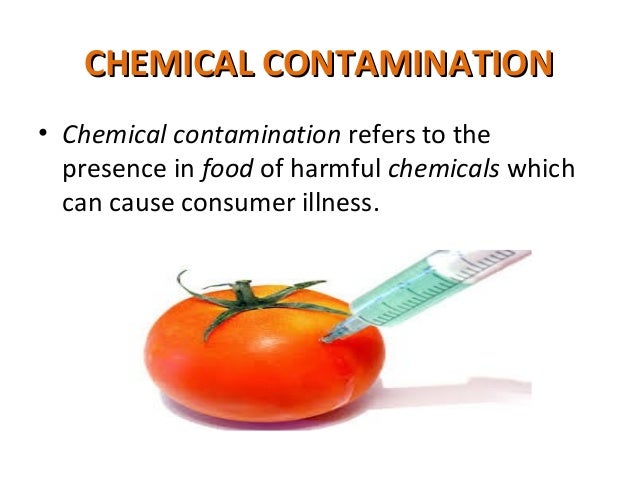
The phrase 'chemical contamination' is used to indicate situations where chemicals are either present where they shouldn’t be, or are at higher concentrations than they would naturally have occurred. Chemical contaminants can be found as organic and inorganic molecules in mass produced products used day to day by almost everybody. These include plastics, resins, pharmaceuticals, disinfectants, deodorants, detergents, petroleum products, road runoff, pesticides and biocides, along with the results of land fill and incineration
Some contaminants can increase bacteria growth and oxygen consumption within a waterway. In extreme cases, such as a large spill of sewage or milk, low oxygen conditions may kill mahinga kai species. Lower levels of nutrient contamination in waterways can result in eutrophication. Most eutrophication is due to the inorganic nutrients nitrate and phosphate that induce the growth of algae. The algae subsequently die, resulting in more organic matter and low oxygen conditions.
- This takes place when unwanted chemicals enter the foodstuff during
- Food preparation, for example, oil, cleaning chemicals (residues found in pots and pans that have not been cleaned thoroughly), or insecticides

https://www.niwa.co.nz/our-science/freshwater/tools/kaitiaki_tools/impacts/chemical-contaminates

Very interesting
ResponderBorrarVery good information!!!
ResponderBorrari love it
ResponderBorrar